Woodworm Control & Timber Treatment
Timber decay, woodworm and fungal rot can seriously weaken the structure of your home. At S.P Plastering & Damp Proofing Services, we diagnose the cause of timber problems and provide long‑lasting treatments to protect your property across Morecambe, Lancaster and surrounding areas
Woodworm Treatment
Woodworm is the general term for timber‑boring insects whose larvae tunnel through wood, causing structural weakening over time.
The most common species in UK homes is the Common Furniture Beetle, but other species can also attack floorboards, joists, roof timbers and furniture. Woodworm refers to the larval stage of several beetle species.
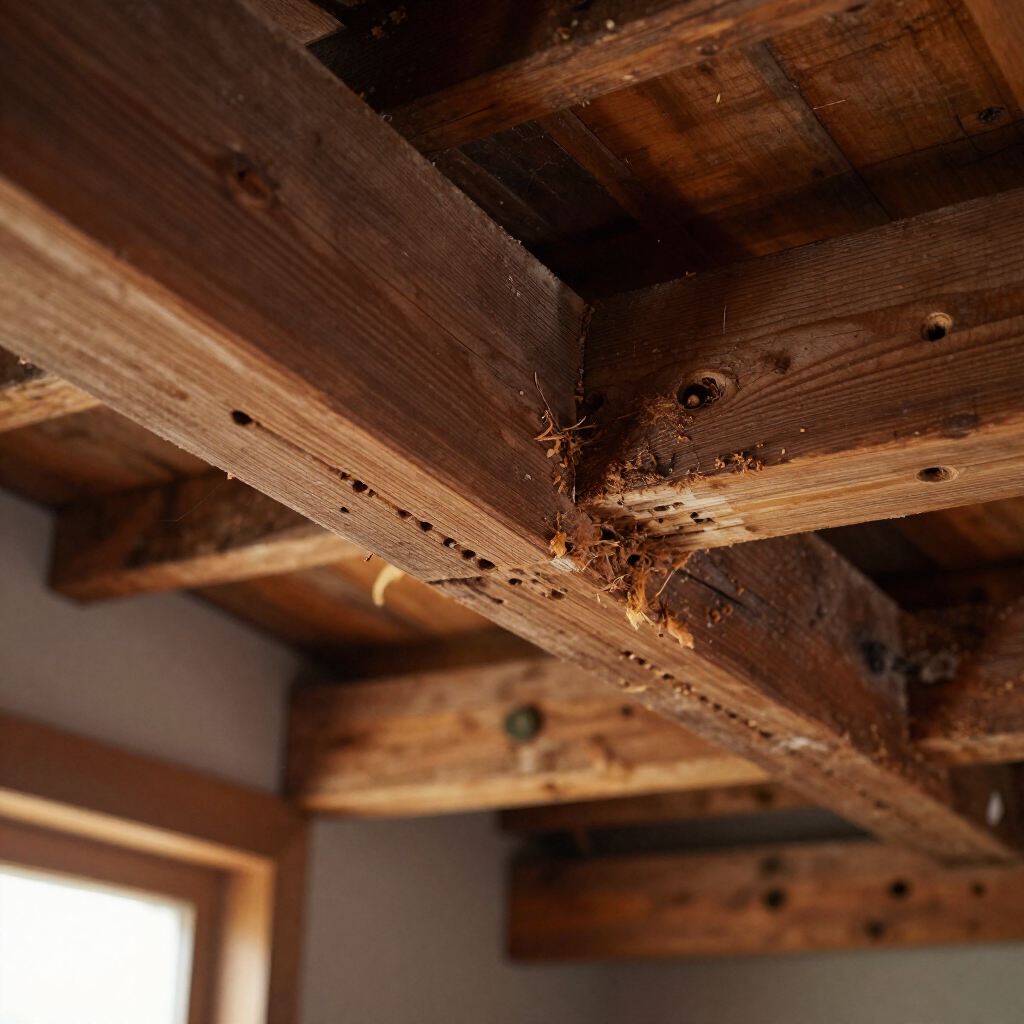
The larvae bore through timber for years, feeding on the wood and leaving behind a network of tunnels.
Common signs include:
- Small round exit holes (1–2mm)
- Fine, powdery dust (frass)
- Crumbly or weakened timber
- Beetles emerging in spring/summer
- Damaged floorboards or joists
Dry Rot
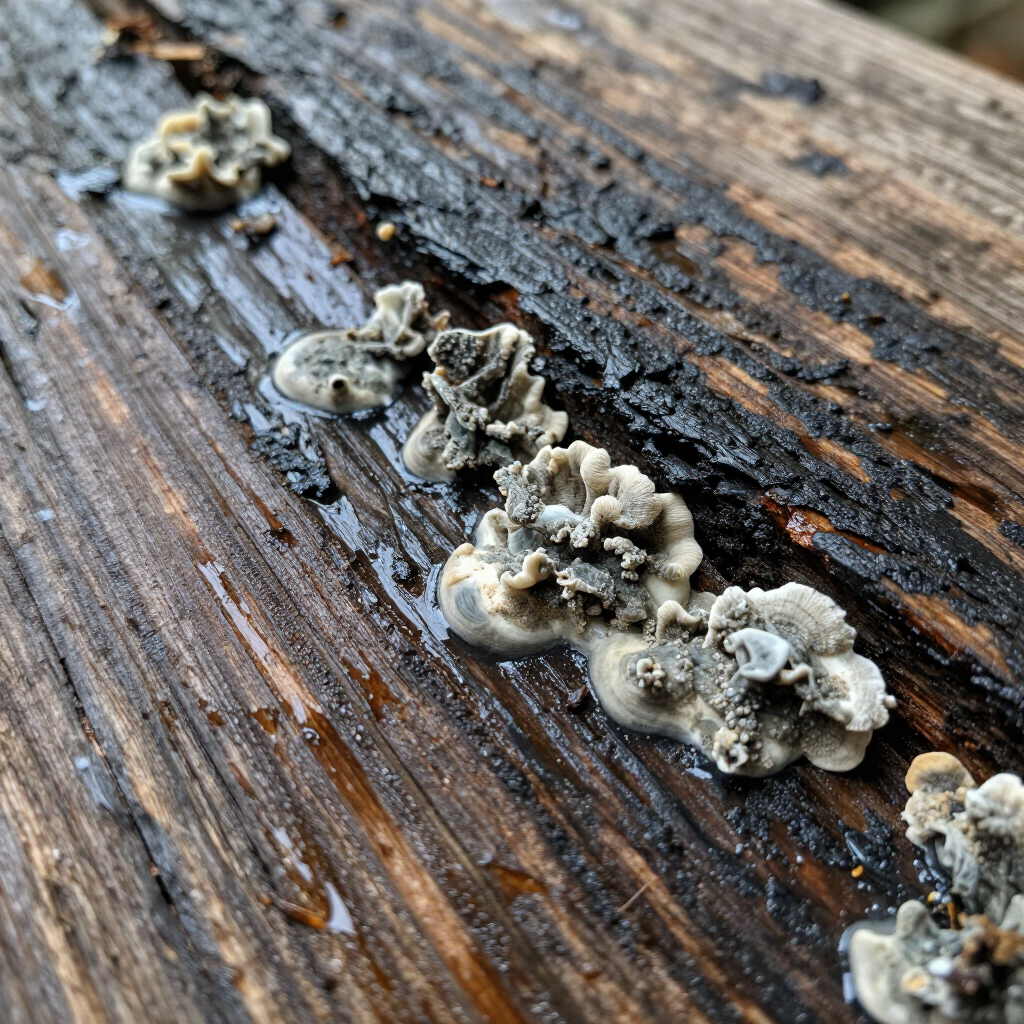
Dry rot is the most serious form of timber decay, caused by the fungus Serpula lacrymans. Unlike wet rot, dry rot can spread through masonry, travel long distances, and destroy large areas of timber if not treated quickly.
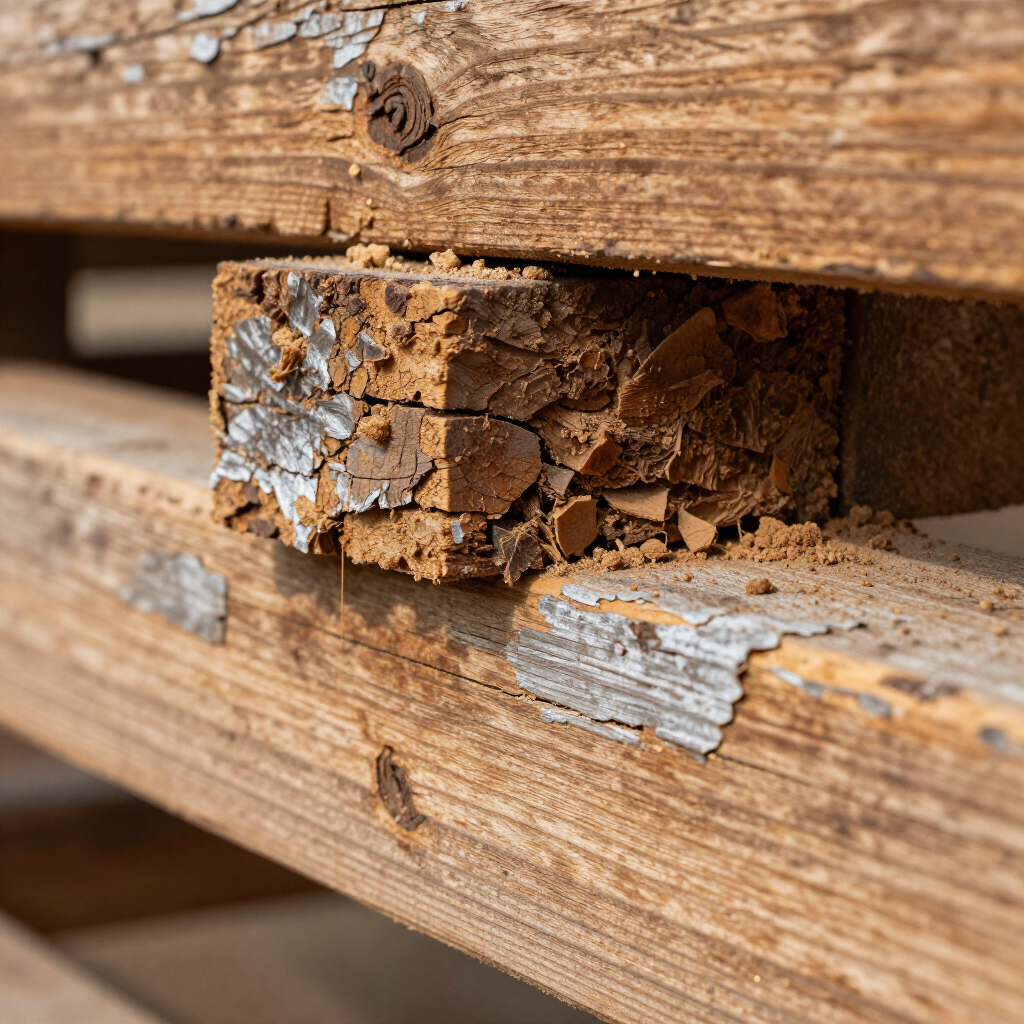
Dry rot occurs when timber becomes damp (usually from leaks, penetrating damp or poor ventilation) and the fungus begins feeding on the wood’s structural fibres. It can spread aggressively, even through brickwork, leaving timber brittle, cracked and dangerously weak.
Common signs include:
- Deep cracking in timber
- A mushroom‑like fruiting body
- Rust‑coloured dust (spores)
- A musty, fungal smell
- White, cotton‑wool‑like mycelium
Wet Rot Treatment
Wet rot is a fungal decay that affects timber with a high moisture content (typically above 20%). It is usually caused by leaks, poor ventilation, defective gutters, damp walls, or plumbing issues. Unlike dry rot, wet rot does not spread through masonry, but it can still cause serious structural weakening if left untreated.
Wet rot treatment focuses on removing the moisture source, repairing affected timber, and protecting the area so the fungus cannot return.
The process typically includes:
- Identifying the cause of moisture
- Removing decayed timber
- Treating remaining wood with a fungicidal preservative
- Improving ventilation and moisture control
- Replacing or reinforcing structural timbers where necessary.
How We Can Help
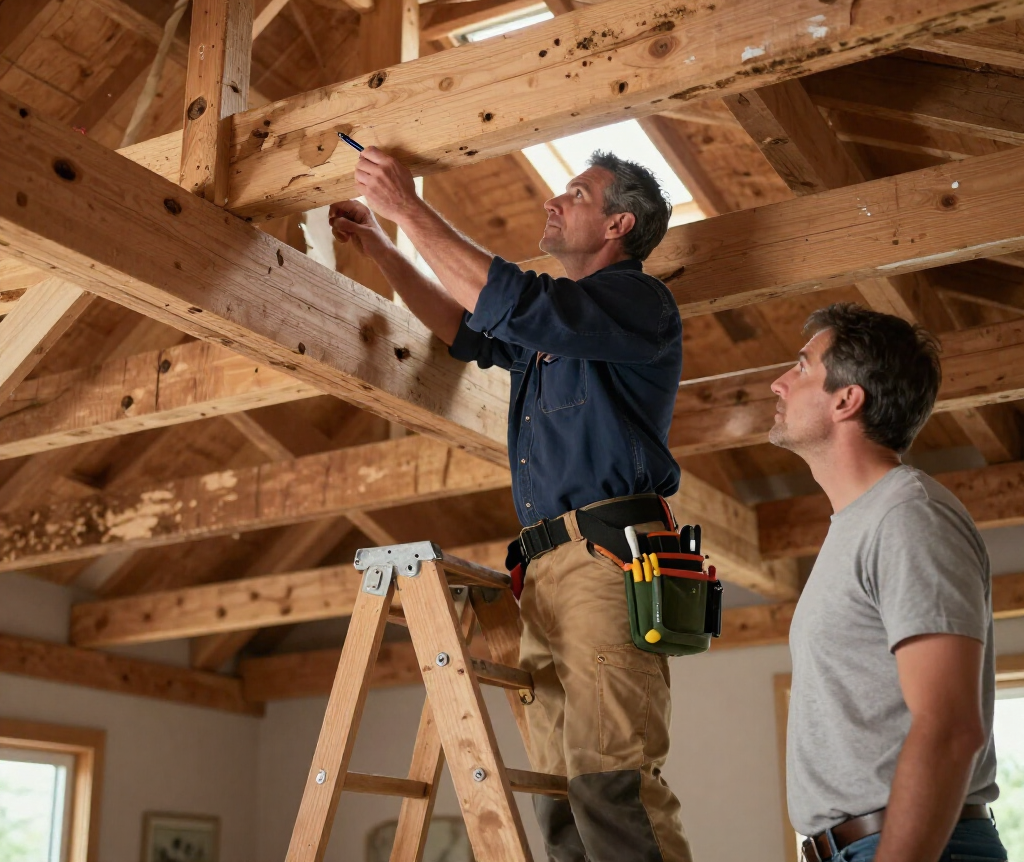
Timber problems like dry rot, wet rot and woodworm can cause real worry for homeowners, but with the right help they can be sorted quickly and properly. At S.P Plastering, we offer friendly, professional inspections and reliable treatments designed to protect your home.
When we visit, we’ll take the time to look over the issue, explain clearly what’s going on, and recommend the best way to fix it — whether that’s dry rot removal, wet rot repair or woodworm control. Our focus is always on finding the root cause and putting things right in the most effective and straightforward way.